
Beginners are easy to buy for badly: the cheapest "high-power" binoculars, a feeder that is hard to clean, or a field guide for the wrong half of the continent. This page is about avoiding those mistakes. It links to our other guides for the details and to the makers' own pages for facts. We have not tested these products ourselves, and we give no prices or star ratings.
The best first gifts, in order
1. A field guide for where they live


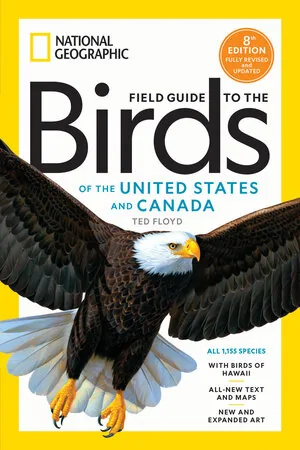
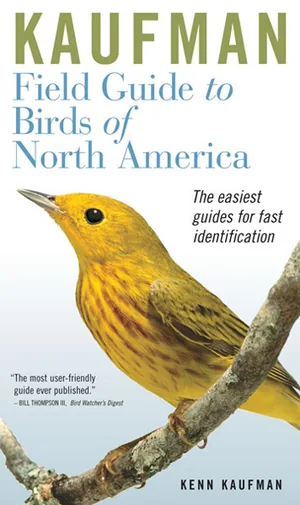
A printed guide never needs charging and does not need a signal. Match the book to the person: the Sibley Eastern or Western guide depending on where they live, National Geographic's 8th edition for one book covering the US, Canada and Hawaii, or the photo-based Kaufman guide for a beginner who likes pictures (note it is an older printing). Our field guide comparison explains the choices.
Watch out for: giving the wrong region's Sibley, and buying an old edition used.
2. Binoculars, if you can let them swap
Binoculars are the gift birders use most, and the one most likely to be wrong, because fit matters: weight, how wide the view is, and whether they work with eyeglasses. Both Audubon and Cornell steer beginners toward 7x to 8x magnification and advise trying pairs in person. Audubon says zoom and image-stabilized models are not a good choice for birders. Our budget guide and five-pick comparison cover the options, for example the Celestron Nature DX 8x42 in the entry tier or the lighter ZEISS Terra ED 8x32 for someone who will carry them all day.
Watch out for: very high-power binoculars, which Audubon says make hand shake worse and tire your eyes. Brightness and field of view matter more than magnification. Keep the receipt or choose a seller with an easy return.
3. A first feeder (and the right seed)

A feeder turns a window into a birding spot. The type matters more than the brand: see our beginner feeder guide for which style suits which birds and how to clean it, and the seed guide for what to put in it. Black-oil sunflower is the seed Cornell says attracts the widest variety of birds.
Watch out for: a feeder that is hard to take apart and clean, since dirty feeders can make birds sick. Also confirm the recipient actually wants to feed birds and can hang a feeder where they live (some buildings and neighborhoods have rules).
4. A smart feeder, for the tech-curious
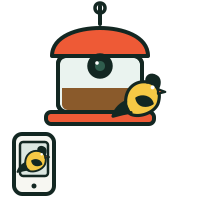
A camera feeder sends photos of visitors to a phone. It is a fun gift for someone who likes gadgets, but it carries subscriptions, Wi-Fi and app requirements, so read our smart feeder comparison first, including what the subscriptions do and the makers' own spec pages.
5. Free tools you can set up together
The best gifts here cost nothing. Cornell's Merlin Bird ID is free and offers Sound ID and Photo ID, and other apps are covered in our app comparison. Installing the app, downloading the offline bird pack for their region, and going for a first walk together may be worth more than any object.
Gifts we would hold off on for a beginner
- A spotting scope and tripod. Useful for shorebirds and waterfowl, but heavy, and it is a purchase that makes more sense once someone is hooked. See our scope guide when they are ready.
- Cameras and digiscoping gear. We have not covered these yet, and the right choice depends on what they already own.
- The most expensive anything. If you are not sure they will keep birding, an entry-level pair of binoculars plus a book is a better start than a top-tier pair.
Quick picker
| If they... | Consider |
|---|---|
| Just said "I want to start bird watching" | A regional field guide plus setting up Merlin together |
| Already watch birds out the window | Binoculars (with an easy return) or a better feeder setup |
| Love gadgets | A smart feeder, after reading the subscription details |
| Wear glasses | Binoculars with longer eye relief, tried with their glasses |
| Walk a lot or have smaller hands | A lighter 8x32, not the biggest 8x42 |
| Live where you do not know the region | National Geographic's 8th edition, or ask which region they bird in |
A simple last tip
Add a short note about where they might go first: a nearby park, a local Audubon chapter, or a favorite trail. Gifts that come with a first outing tend to get used. See all our gear guides.
Sources are on the linked pages: Audubon's binocular guide, the publisher pages for each book, and Merlin Bird ID. Statements about Cornell's guidance come from the sources cited on our feeder and seed pages.